
Trend Forecast: 2010s Revival and Understanding the Fashion Cycle

Updated: Aug 11
From statement necklaces to wedge sneakers, boho chic to festival fashion, the 2010s make its controversial comeback. With the popularity of the Y2K trend that dominated the early 2020s, this only seems like a natural progression. As a matter of fact, trend cycles are a popular phenomenon within the fashion world. In real life, it seems like 2010s culture is slowly making its way back onto our radars.
The concept of a fashion cycle is nothing new. First theorized by author and art historian James Laver in 1937, referred to as Laver’s Law, is the idea that every fashion trend goes through its own life cycle. The timeline goes:

After nearly a century, the cycle has accelerated from 150 years to 20 years. The “20-year cycle” has condensed Laver’s original timeline into five stages: introduction, rise, peak, decline, and obsolescence. However, with the takeover of fast fashion and social media, the cycle seems to be constantly shortening.

An aforementioned example of the fashion cycle is the Y2K trend in the early 2020s. Low rise jeans, baguette bags, babydoll tops, baby tees, and cargo pants are all examples of 2000s styles that have had a resurgence in recent years.
But just how fast is the fashion cycle accelerating? While Laver’s Law wouldn’t anticipate such a quick return, the last decade’s trends are already back in motion, eclipsing the Y2K trend. Here’s the rundown of the current 2010s revival, thriving online but hidden in plain sight in everyday life.
As described in Laver’s concept, most trends in the 2010s were inspired by previous decades. For example, the twee aesthetic, which sported Peter Pan collars, A-line skirts, and colorful tights, is heavily influenced by 1960s styles. Other examples include soft grunge, which was influenced by 1990s grunge but included unique elements such as pastel and soft aesthetics, and vaporwave, which takes immense inspiration from the nostalgic neon colors of the 1980s.

This spring, the boho chic trend makes its comeback. Boho ruled the 2010s, sported by it-girls such as Kate Moss and the Olsen twins and reminiscent of the free-spirited fashion of the 60s and 70s. In 2025, it makes its soft resurgence, as seen in Chloe’s fall 2025 show. On the day-to-day, we can see it influencing our styles with suede bags, flowy dresses, chunky statement jewelry, lace details, fringe, and slouchy boots.
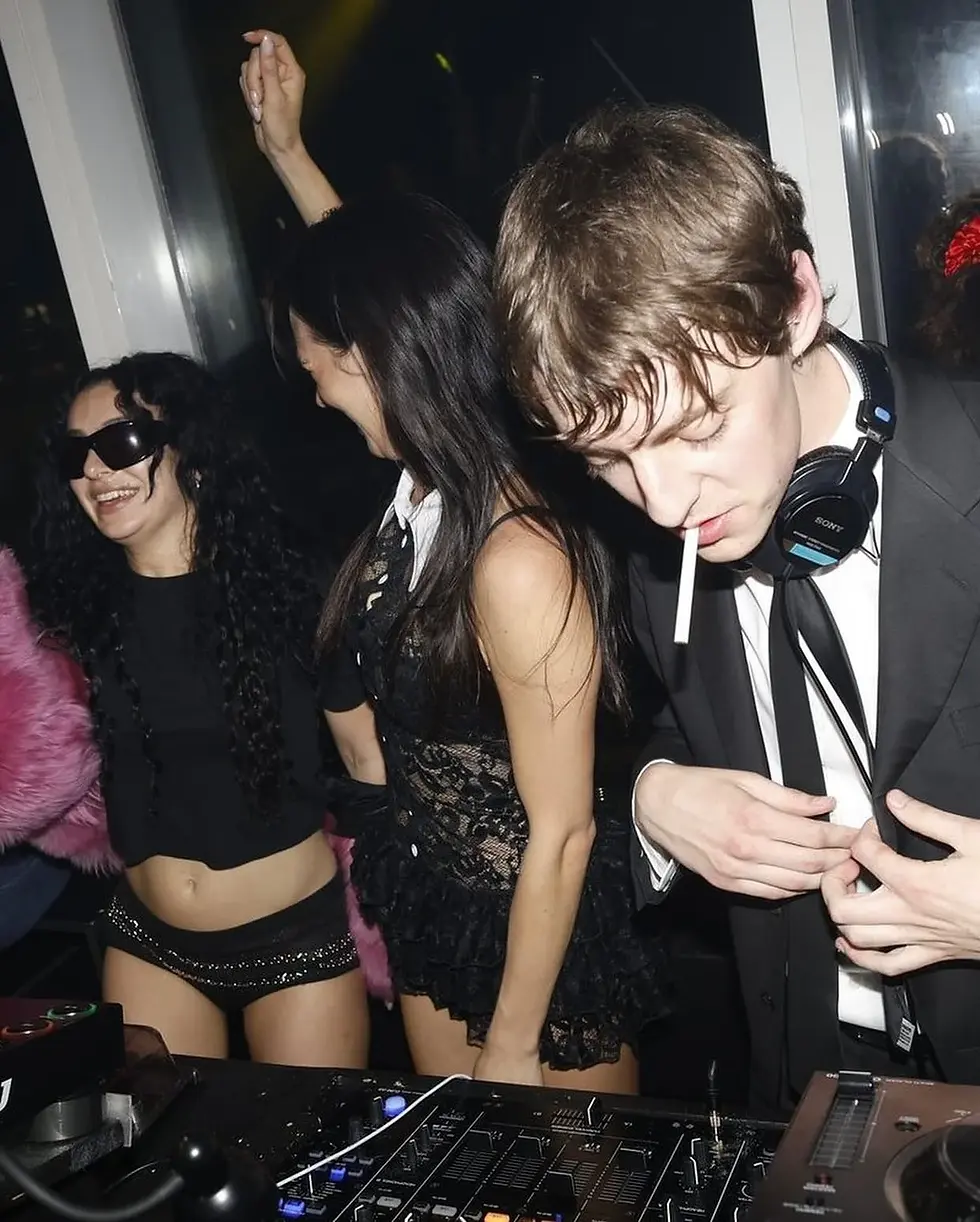
On the other end of the spectrum, indie sleaze has been on the radar in recent years. While the style itself was popular in the hipster subculture from the 2010s, the term “indie sleaze” was only coined in the past half-decade. This style is characterized by messy, grunge, and hipster party-centric styles and the intersection of music genres, including indie rock, punk, house, and dance music. One of the pioneers for the “indie sleaze” comeback is Charli XCX, or specifically her album Brat, which officially made partying cool again.
With the rapidly growing development of technology and social media in the past few decades, as well as the prevalence of the fast fashion industry, it makes sense for fashion trends to come and go at faster and faster rates. Despite this, the core concept of Laver’s fashion cycle still stands. Looking ahead, it’s not hard to see the 2010s revival becoming drastically more mainstream in the future. Although millennials are probably cringing at the thought of this, it is exciting to see where the trends take us next.


Comments